Upgrade Your Home With Qualified Architecture Services
Enhancing a home through expert architectural solutions involves more than just aesthetics. It demands a deep comprehension of functional design and regional construction regulations. Collaborating with an experienced architect can resolve common challenges while improving property worth. The process is systematic and thorough, ensuring that every detail corresponds with the homeowner's vision. Yet, many homeowners try this struggle to navigate this journey effectively. What steps can they take to secure a successful collaboration?
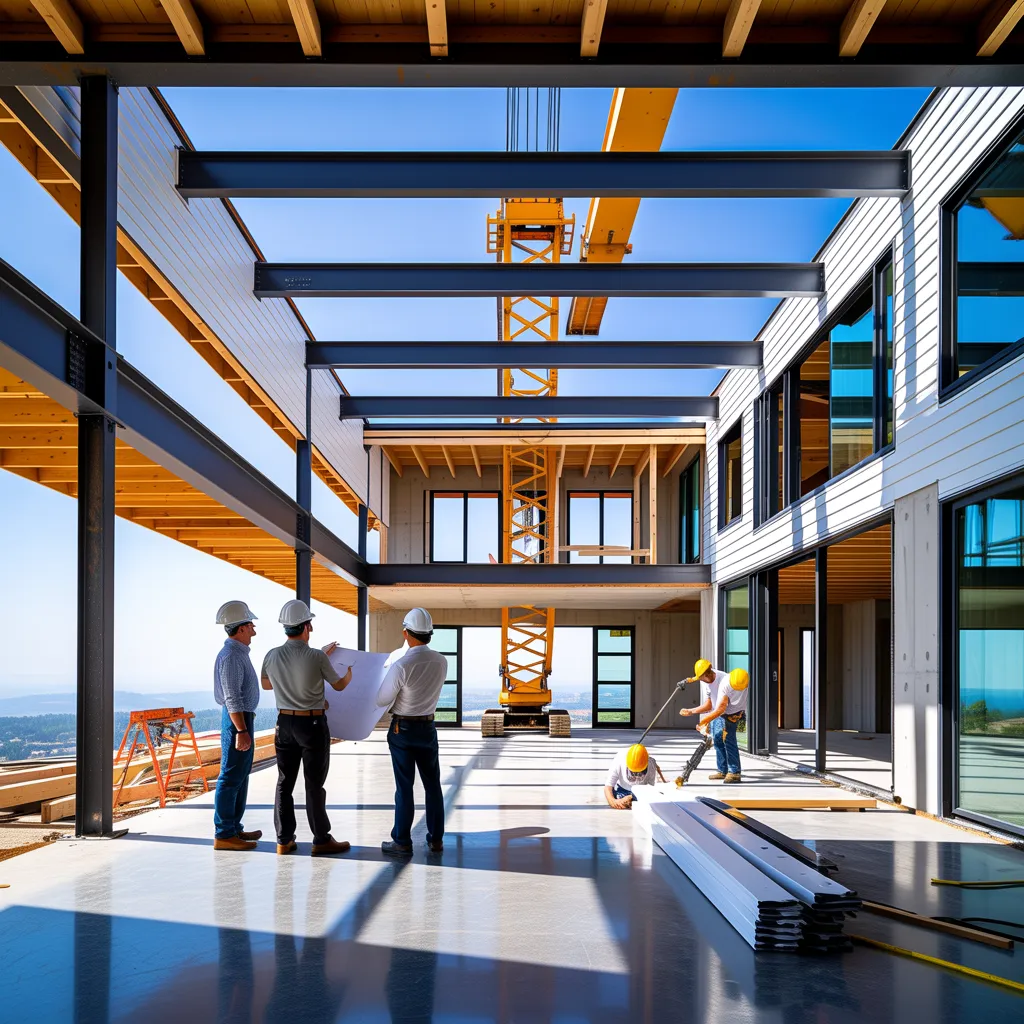
Frequent Housing Design Struggles and Ways Architects Deliver Help
What renders home design so challenging for countless homeowners? The difficulty of combining aesthetic tastes with functional requirements often exhausts them. Homeowners commonly face challenges with spatial limitations, financial constraints, and regulatory standards, making the design process more difficult. Additionally, many do not have the required expertise needed to manage building considerations and building codes.
Architects maintain an fundamental role in tackling these hindrances. Their professional preparation furnishes them to navigate the intricacies of design, ensuring that a homeowner's aspiration corresponds with practical conditions. Architects can supply revolutionary remedies to enhance space while maintaining protection standards. They also facilitate in constructing unified designs that manifest the homeowner's character. By extending wisdom into fabrics and erection approaches, architects facilitate hasten the deliberation process. At the end of the day, their expertise metamorphoses a potentially formidable quest into a collaborative journey, cultivating a harmonious balance between creativity and practicality in home design.
Reasons to Work With a Professional Architect
Engaging a professional architect strengthens the residential design journey by merging technical expertise with the homeowner's vision. Architects deliver a rich background in design principles, building codes, and eco-conscious methods, guaranteeing that the initiative not only fulfills aesthetic goals but also adheres to regulations. Their capacity for envisioning and express elaborate concepts assists converting conceptual ideas into tangible designs.
Furthermore, architects can provide innovative solutions to spatial challenges, optimizing layout and functionality. They also manage the intricacies of the construction process, collaborating with contractors and suppliers to guarantee schedules and finances are adhered to. This expert supervision minimizes possible mistakes and decreases the stress linked to home building or renovation. Ultimately, collaborating with an architect produces a thoughtfully crafted, unified space that reflects the homeowner's character while enhancing overall property value.
What Represent the Key Phases in the Architectural Process?
Why is understanding the architectural process important from concept to completion? The journey commences with an initial consultation, where the designer and client review objectives, needs, and budget. This phase is essential for establishing a clear vision. Next, the designer executes site analysis, evaluating variables like topography, weather characteristics, and zoning requirements.
Subsequently, the design work gets started. At this stage, sketches and digital models are produced, enabling the client to comprehend the project. Once the design is finalized, the architect creates extensive construction specifications, listing specifications and drawings.
Upon acquiring necessary permits, the project moves into the construction phase. The architect regularly works with contractors to guarantee that the design is implemented correctly. Frequent site visits and assessments help preserve standards and compliance to the initial vision. Finally, the project concludes in a walkthrough, confirming that the completed structure meets the client's requirements before the official handover.
What's the Best Way to Choose the Ideal Architect for Your Home?
Locating the perfect architect for a home requires thorough consideration and research. Potential property buyers should begin by establishing their specific requirements and financial plan, which will guide their hunt. Recommendations from acquaintances, loved ones, or real estate professionals can provide useful leads. Online collections of work and testimonials help in evaluating an designer's previous projects and client contentment.
Next, prospective clients should speak to multiple prospects to evaluate their communication style, experience, and design approach. It's crucial to address project timelines and client expectations to ensure alignment. Moreover, confirming qualifications and checking for proper licensing and credentials can avoid future complications.
To conclude, property owners should trust their inner voice. The ideal architect should not only command the vital skills but also match the homeowner's vision and values. This mutual understanding supports a collaborative environment, ultimately enabling a successful partnership in materializing a dream home.
Ways to Convey Your Direction Competently
Effectively communicating a concept for residential design is essential for a fruitful collaboration between property owners and design professionals. To accomplish this, homeowners should start by distinctly outlining their needs and tastes. Developing a visual reference collection with images, hues, and finishes can help conveying visual preferences. Additionally, specifying practical specifications, such as room size and floor plan, guarantees that the architect comprehends functional elements.
Property owners should also participate in frank discussion, encouraging inquiries and input to refine their vision. Regular check-ins during the design process foster collaboration and transparency. Using clear communication to express thoughts and worries can prevent misunderstandings and help align expectations.
Ultimately, remaining attentive to the architect's knowledge enables a more stimulating exchange. By fusing personal vision with professional insight, homeowners can strengthen a healthy partnership that accomplishes a beautifully designed space mirroring their aspirations.
How to Plan finances for Architectural design Services
When initiating a home design project, developing a budget for architecture services is vital to prevent financial strain later. Homeowners should start by researching typical fees in their area, which can vary based on the project's complexity and the architect's experience. It is prudent to allocate a percentage of the overall project cost specifically for architectural services, typically ranging from 5% to 15%.
Next, potential clients should assess the scope of services needed—whether they want complete design and project management or simply preliminary consultations. Participating in open dialogue with potential design professionals regarding their cost arrangements can bring clarity on pricing.
Additionally, homeowners should account for unforeseen costs and potential changes, establishing a financial reserve in the budget. By clearly defining their monetary limits in advance, customers can ensure they pick an design expert who aligns with their objectives while remaining within their financial limits.
Frequently Inquired Questions
What Designs of Architecture Are Possible for My Home?
Homeowners may select from various building designs, including modern, traditional, colonial, Mediterranean, and contemporary. Each style delivers distinctive aesthetics and performance, allowing individuals to demonstrate personal taste while considering regional influences and environmental factors.
How Long Does the Design Process Typically Take?
The design procedure typically takes multiple months, based on project intricacy, design sign-offs, and local regulations. Factors such as client feedback and construction schedules can also influence the schedule greatly throughout the process.
Can Design professionals Help With Sustainable Design Choices?
Architects can absolutely support with sustainable design alternatives. They integrate eco-friendly materials, energy-efficient systems, and innovative layouts, guaranteeing projects minimize environmental impact while maximizing functionality and aesthetic appeal, aligning with clients' sustainability goals effectively.
What Skills Should I Find in an Building Designer?
When engaging an architect, one should look at their qualifications, accreditation, experience in relevant projects, portfolio showcasing design style, and knowledge of local regulations. Ability to communicate effectively and client testimonials also become crucial in the decision-making process.
How Do Architects Handle Zoning and Permit Challenges?
Architects navigate regulatory challenges by conducting thorough research on local regulations, assembling required paperwork, and liaising with municipal authorities. Their knowledge guarantees compliance, expediting the permitting timeline for customer developments effectively.